Corporate video / Reels
One Causeway Bay | Heritage Reborn, Legacy Renewed
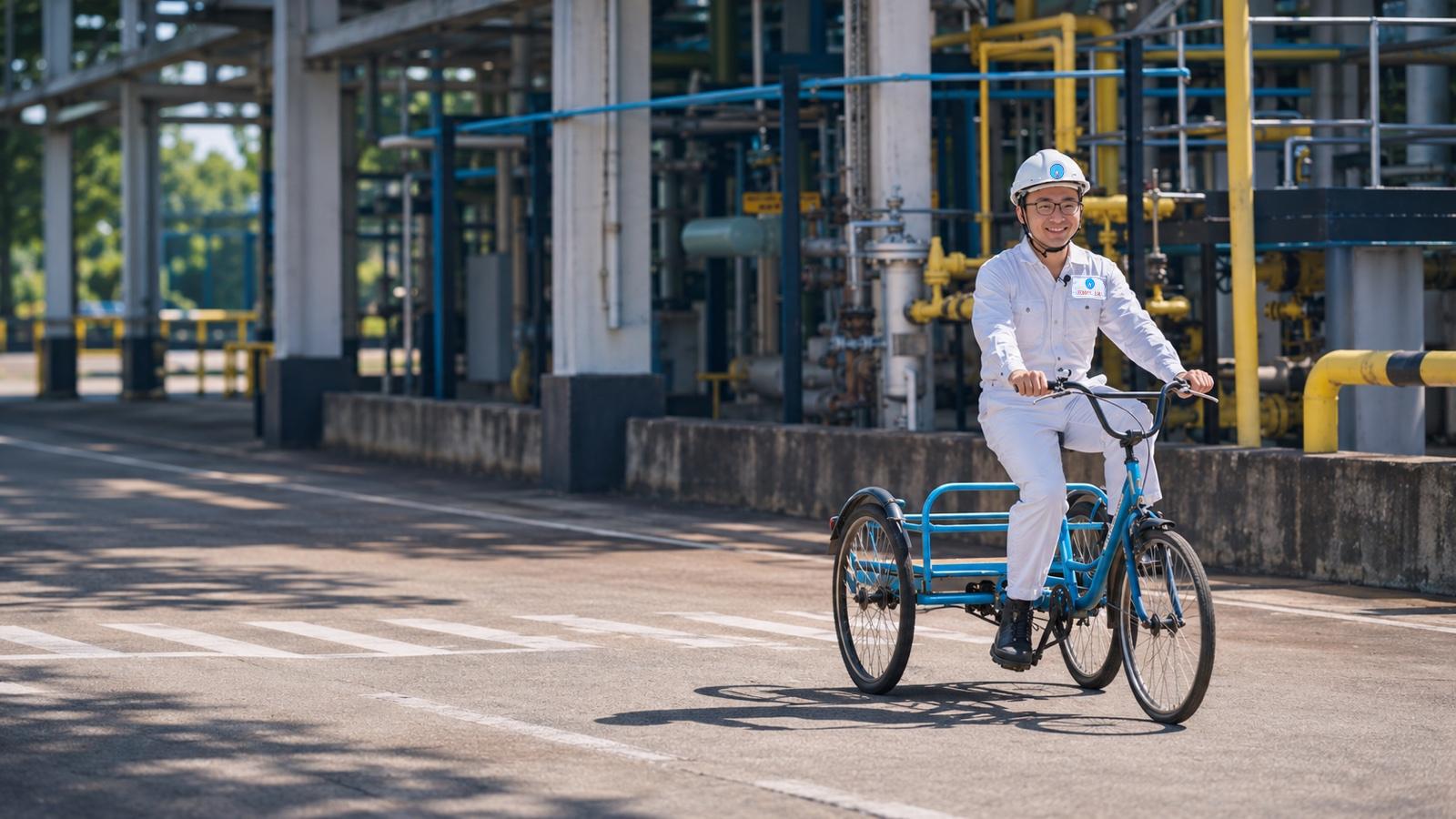
The daily ritual of the Noonday Gun. Harbour light seen through an architect’s eyes. Dinner and conversation after dark. Six short films explore One Causeway Bay through the district around it. Darkroom brings together interviews, architectural models and neighbourhood scenes to introduce the new office development through local memories and everyday life.
- Client
- One Causeway Bay
- Services
- Brand video production, interviews and vertical shorts
One Causeway Bay | The Noonday Gun and Its Keeper
A short brand film follows noonday gunner Johnny and the waterfront ritual, connecting One Causeway Bay’s heritage theme to a working tradition through the bell, cannon, operator and surrounding streets.
Discuss a project like this ↗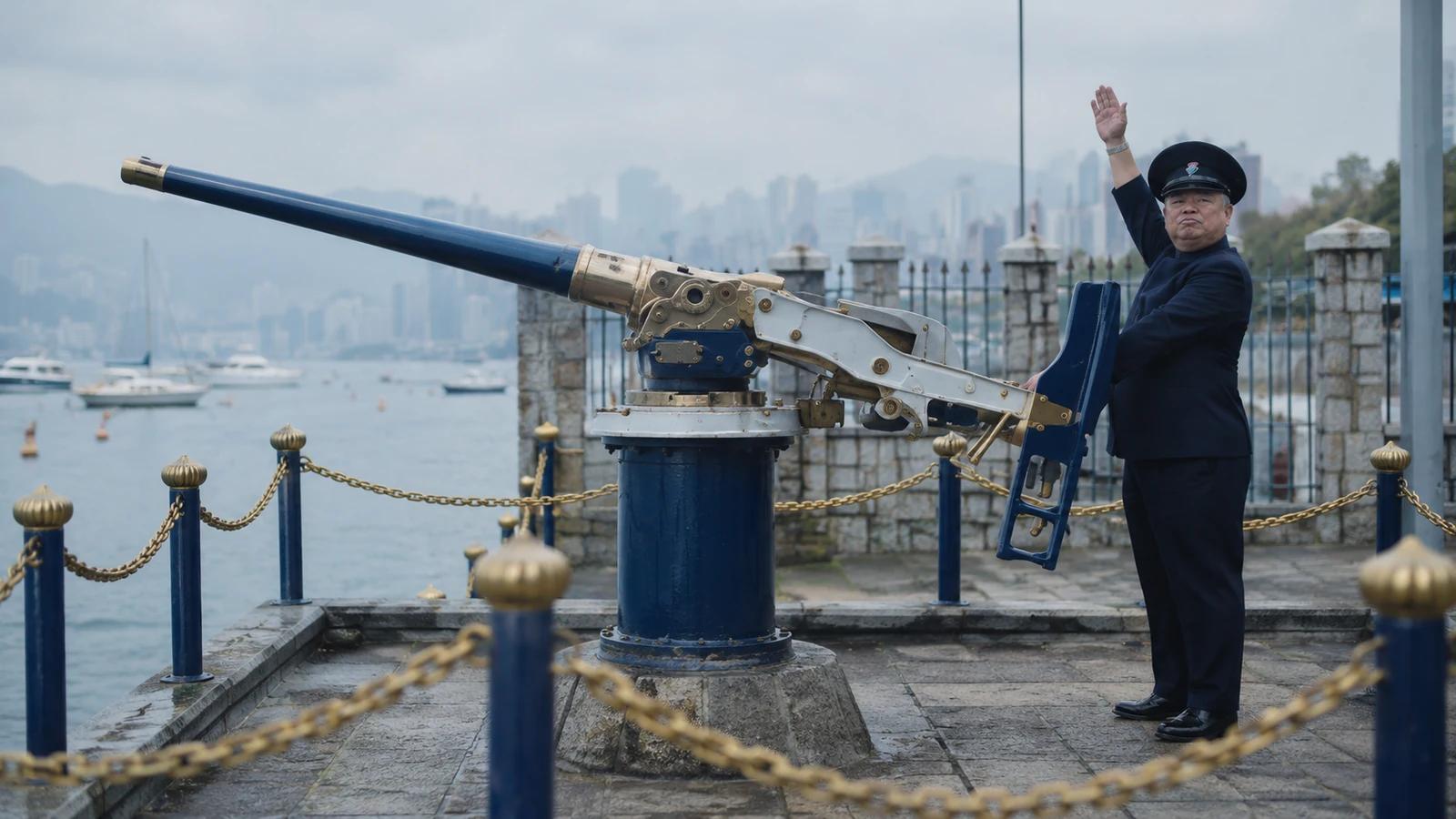
01
A tradition seen through someone’s work
The cannon, bell, uniform and waterfront give this film a specific subject and setting. The client’s accompanying publication presents noonday gunner Johnny as a witness to the district’s changes. His relationship with the place connects the waterfront’s past to the new development. It gives the campaign’s Heritage Reborn, Legacy Renewed theme something tangible: a tradition that can be seen in practice.
At roughly twenty-eight seconds, the film stays with one role and its surroundings. It does not attempt a complete district history. The viewer first encounters a person doing a particular job, then sees the wider city. This sequence establishes cultural context through people and activity, rather than relying entirely on a description of the address.
02
From the bell and cannon to the surrounding streets
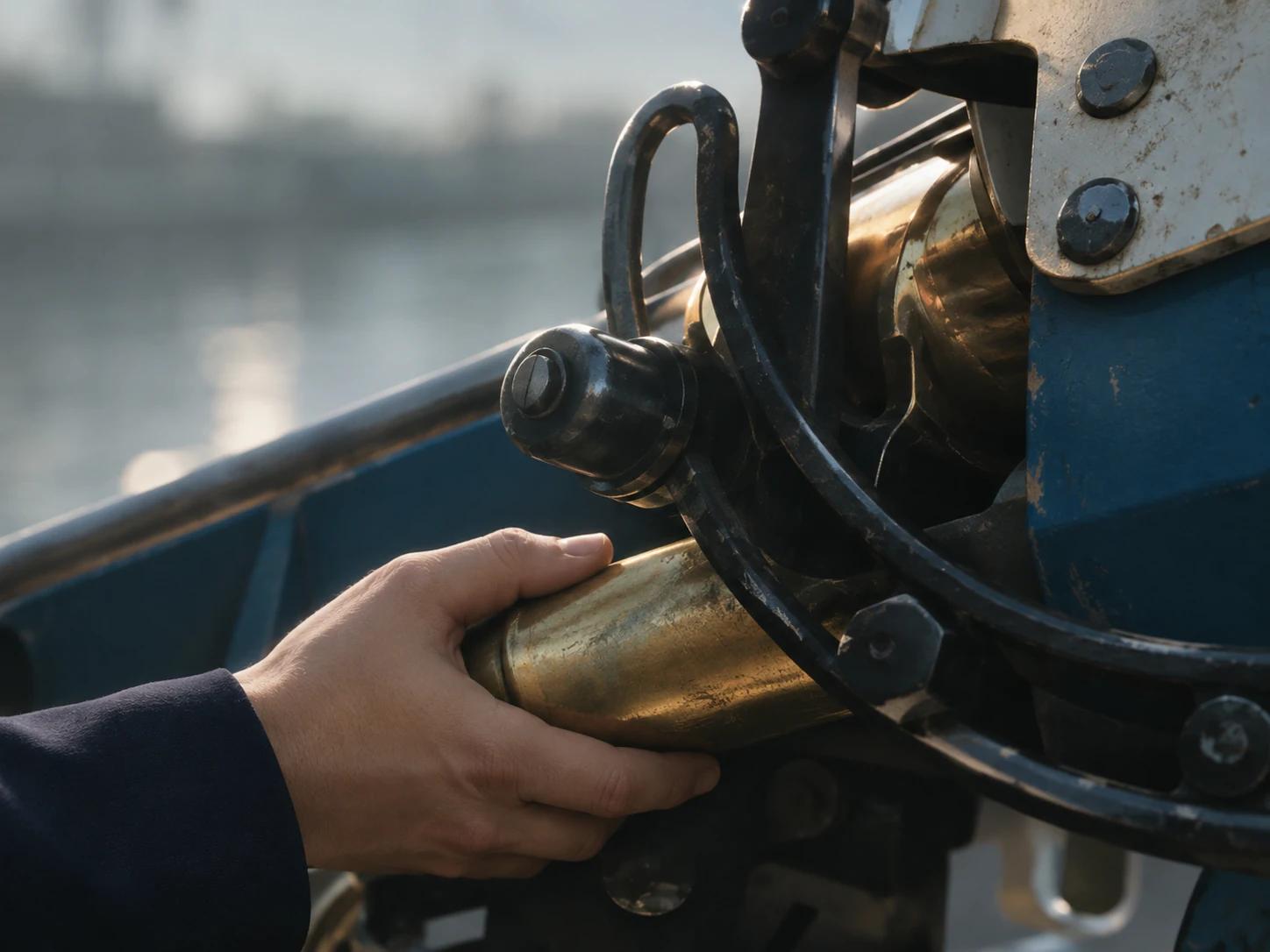
Black-and-white historical imagery gives way to the bell and present-day operation in colour. Split screens bring together the cannon, operator and wider setting. Hands, metal mechanisms and portraits offer different distances from the same subject, keeping both the ritual and the person carrying it out in view. The change from monochrome to colour establishes a sense of time, while detail and wider views reveal different aspects of the activity.
The later sequence widens to the harbour, pedestrians’ footsteps and a crowded crossing before returning to the gunner and campaign title. These images connect the local story to the contemporary city. The closing portrait retains the relationship between the operator and cannon, carrying the detail of his work into the shared campaign ending.
03
Build a heritage film around an observable activity
For a brand or property with a local history, a useful starting point is an activity that still takes place and a person with a direct connection to it. The action supplies material to film; research explains why it belongs in the project’s story. Names, roles, traditions and historical claims need checking before they become part of the narrative.
A practical shot plan can separate action details, the person and the surrounding place, giving each a different job. A short film can then hold one cultural perspective, while architecture, lifestyle and development information sit elsewhere in the series. This gives an individual film a clear subject and provides a reason to explore the other chapters.
One Causeway Bay | Florence Chan on the Harbour and the Façade
An interview with architect Florence Chan brings together water, façade imagery and an architectural model to explain how One Causeway Bay’s design responds to Victoria Harbour.
Discuss a project like this ↗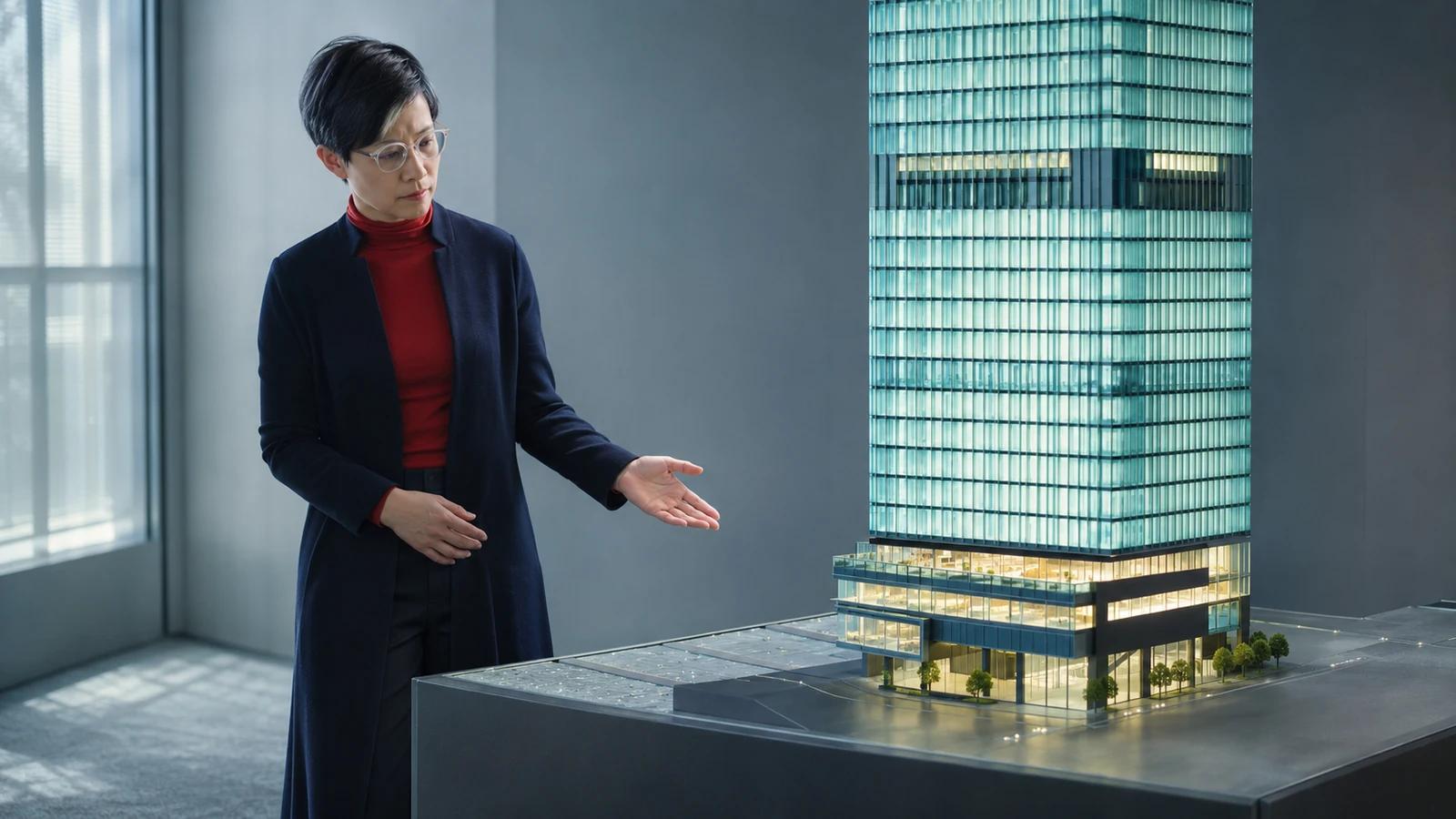
01
Give the design explanation something to look at
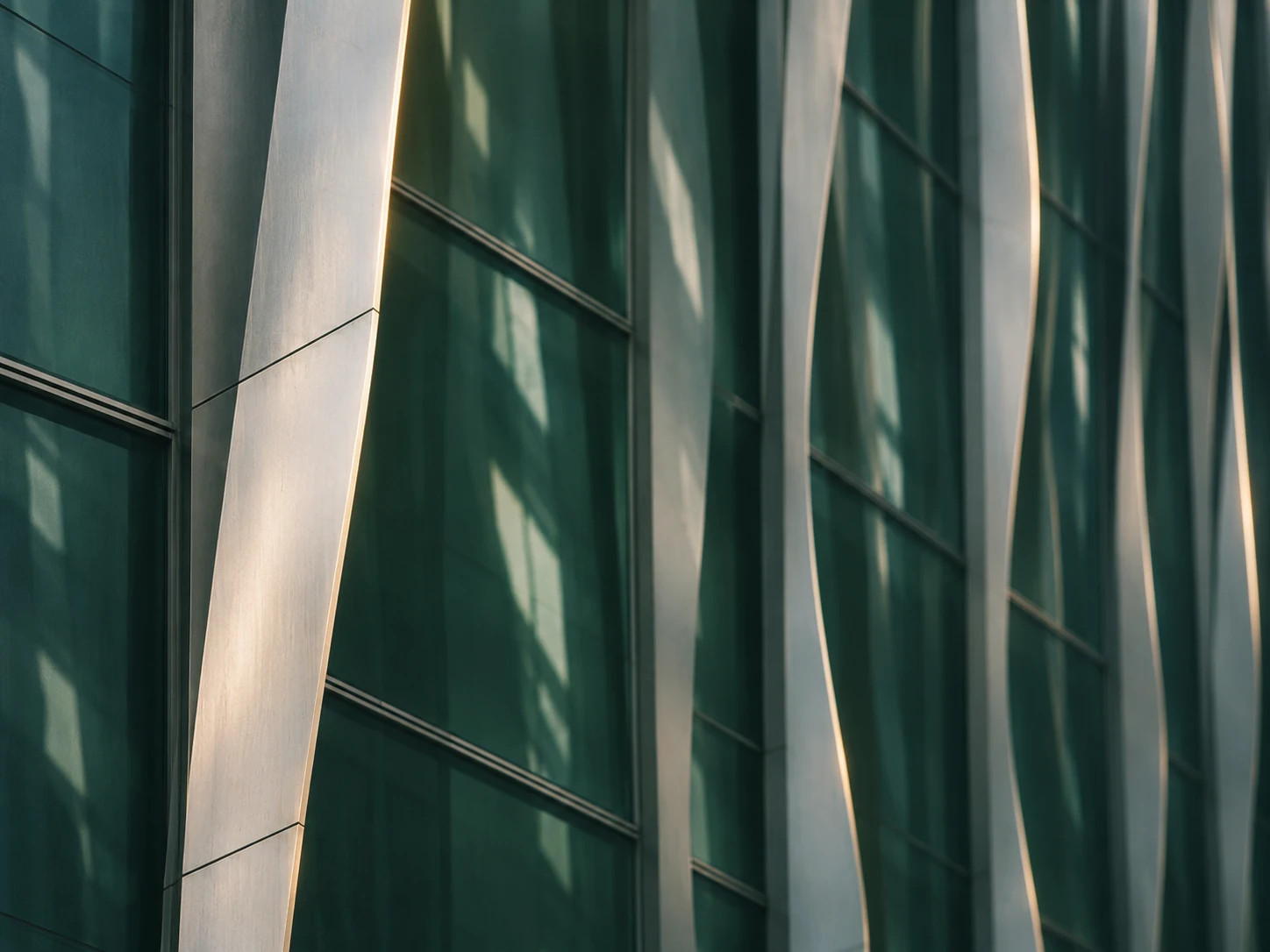
Water and glass recur throughout this film. Their relationship is the architectural idea it follows. Florence Chan, identified on screen as Director at KPF, directs attention to the façade’s movement, reflections and waterfront setting. Both the client’s publication and KPF’s project description connect the design to the stillness and movement of Victoria Harbour.
Concentrating on one visible idea gives the interview a precise subject. Water provides a familiar reference for viewers without an architectural background; the model shows the building’s overall form. Together, the person, setting and model take the film beyond an introduction to a professional title and into an explanation of the design.
02
Three kinds of image, three different jobs
The opening establishes the façade and harbour before showing Florence looking at the building outdoors. The seated interview retains her expressions and gestures. Water is then placed in the same composition as interview and model images, giving viewers a visual reference alongside the explanation. Its presence has a specific relationship to the subject being discussed.
The model sequence moves from closer views of the crown and façade to Florence beside it and views of the whole model. Each scale supplies different information: details reveal the surface pattern, wider frames describe the building, and the architect maintains the human thread. Her closing portrait and the campaign title return this design chapter to the wider series.
03
Plan the interview and image list together
For an architecture or design film, start with an idea worth remembering that can be supported by project information. Then identify the footage or approved visual material needed to explain it. A discussion of water and façade design needs surface detail and an environmental reference; general building views and close-ups of the speaker alone leave much of that relationship unshown.
A model can explain proportions, overall form and local details; environmental imagery describes the relationship to the surroundings. For a project still in development, assigning those materials a clear purpose before placing the interview helps each image carry useful information. This chapter offers a practical sequence: introduce the designer’s point of view, then connect it to objects and settings the audience can examine.
One Causeway Bay | From the Desk to the Waterfront
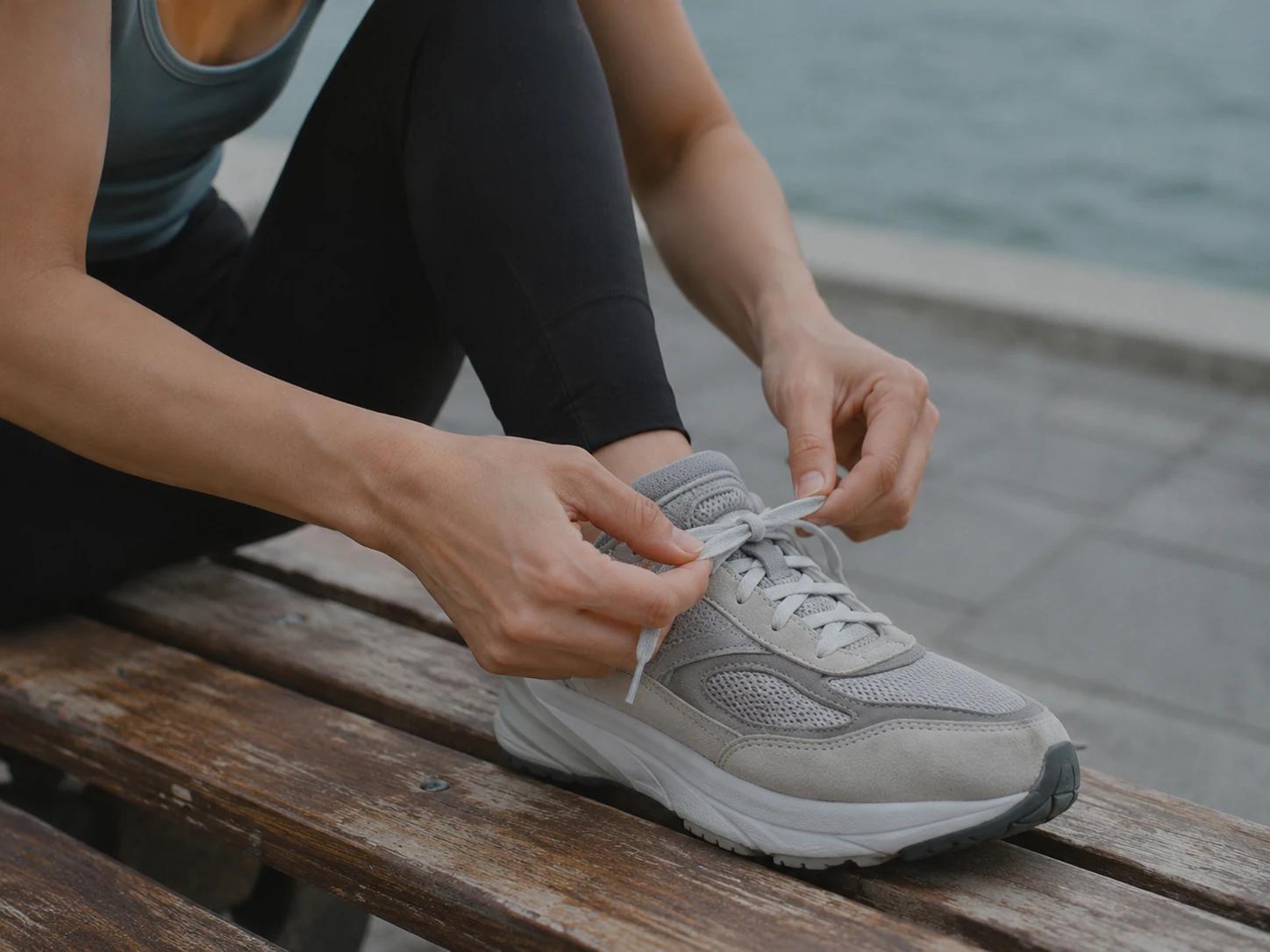
Fingers tighten a shoelace in one half of the frame and type on a keyboard in the other. The film follows the same woman out to the waterfront, showing where a working day in Causeway Bay can make room for a run.
Discuss a project like this ↗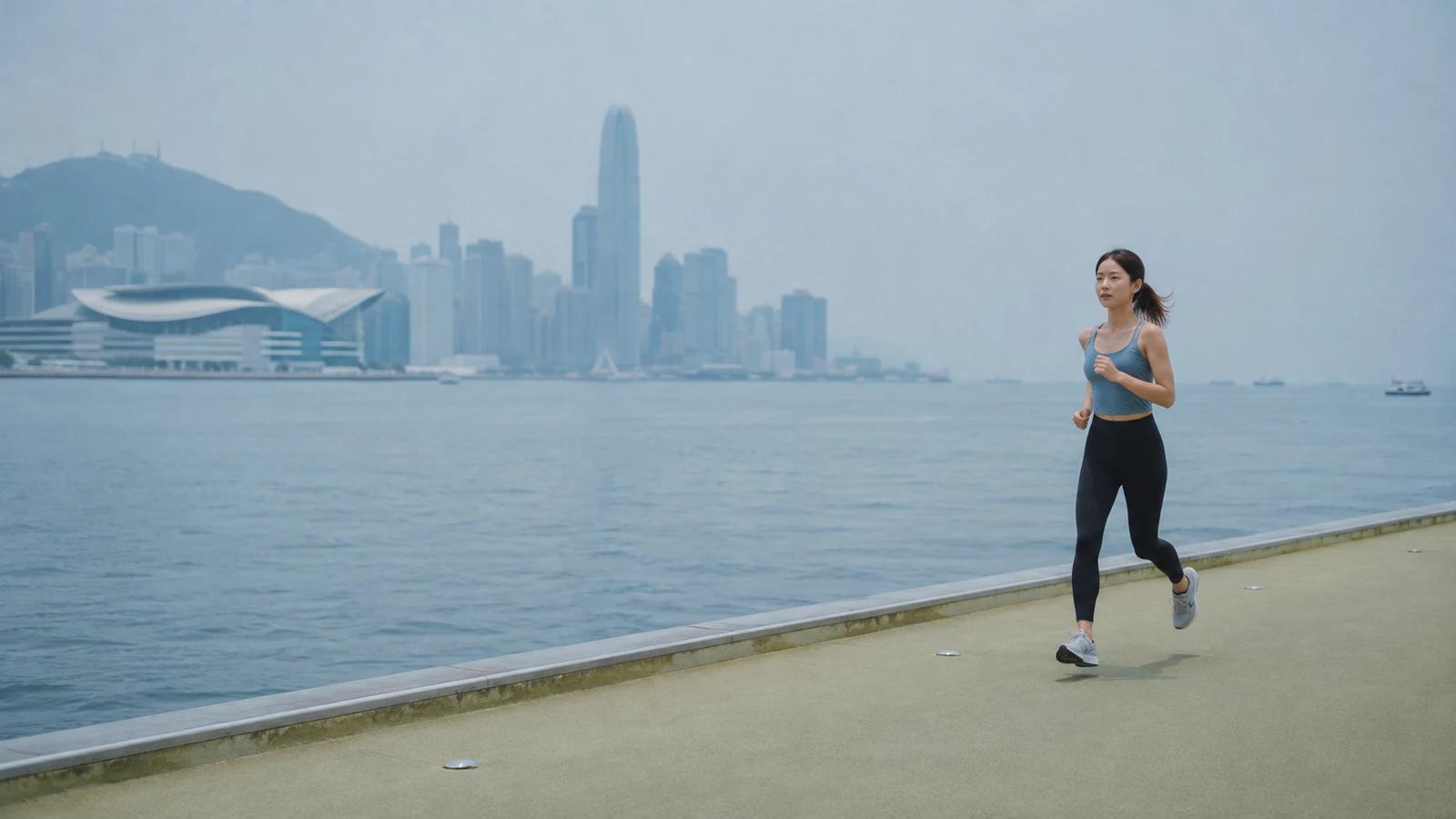
01
Introduce a location through a day’s activities
Trams, traffic and busy crossings establish a recognisable Causeway Bay. The film then moves to stretching in green surroundings and running by the harbour, showing other ways to experience the same district. The client’s accompanying article links this chapter to Victoria Park, the waterfront and urban open spaces as part of the development’s wellbeing positioning.
Everyday activities carry that proposition: exercising, preparing for work and using a computer. Keeping the same character across these situations gives the viewer a clear perspective on working in the neighbourhood. The location is presented at the scale of a person’s routine, with green space and waterfront connected to things someone might do there.
02
Two parts of a routine share the frame
The opening layers building, traffic and pedestrian imagery before introducing a closer view of the character and moving into exercise. Greenery, water and the skyline give those actions a recognisable setting. Closer running shots and wider waterfront views provide different information: the activity itself and its relationship to the place.
In the second half, split screens place the character in work clothes alongside her in sportswear. Shoelaces, a watch, a computer and the desk bring both situations down to everyday details. The paired images make work and exercise available to compare within one composition. Façade images and the shared portrait ending reconnect the lifestyle scenes to the development.
03
Choose lifestyle details around a specific proposition
Before planning lifestyle scenes for an office development, decide which aspect of using the place the viewer should understand. This chapter concentrates on work and exercise, giving wardrobe, action and setting a common purpose. Introducing more people, activities or amenities would require a different structure; attractive additional shots would not automatically supply one.
Split-screen work benefits from planning positions and actions before filming, so that each image remains clear and the pairing has a point. Distinct work and exercise clothes establish the situations; details such as shoelaces and a computer supply the actions. For a similar brief, start with a connected set of activities, then decide which details benefit from being paired and which settings need room to be seen in full.
Causeway Bay After Dark | Streets, Tables and Conversation
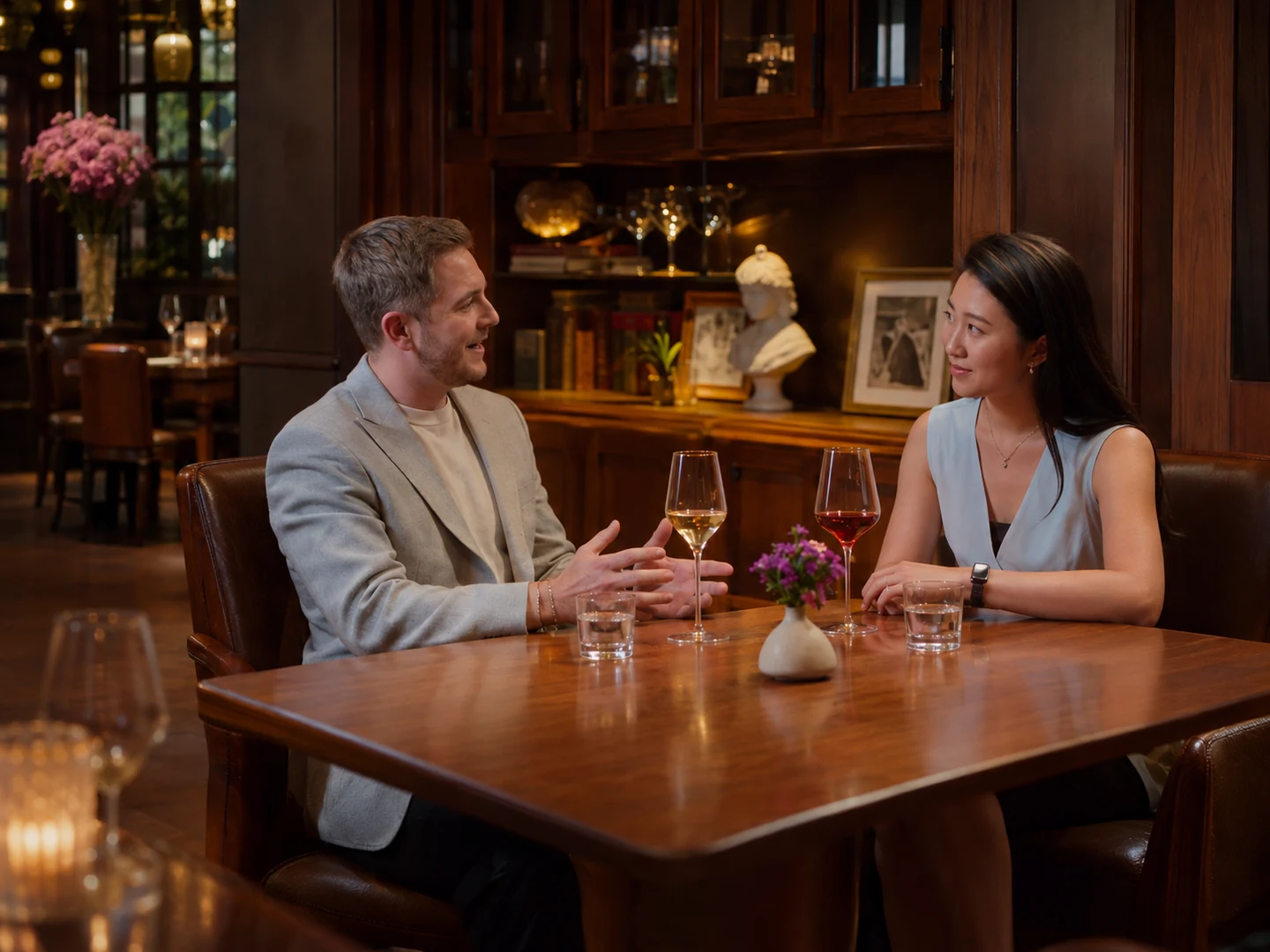
This One Causeway Bay film moves from streets after dark to dinner tables and a bar, introducing the district through what people do outside office hours. Meals, gestures and conversation give the location a human scale.
Discuss a project like this ↗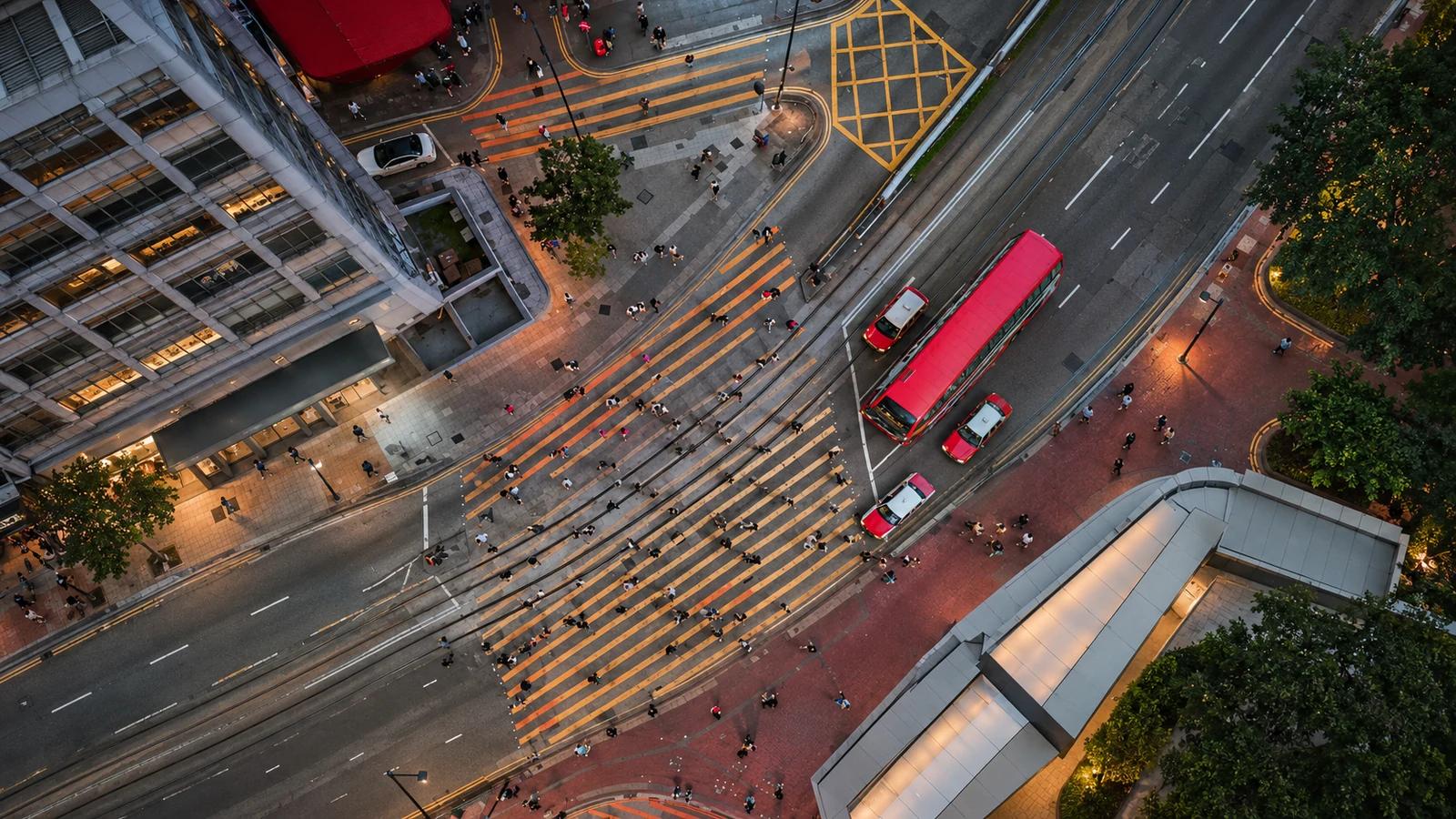
01
Introduce the neighbourhood beyond office hours
A film about an office address can begin with what happens when the working day ends. The client’s publication places this episode in the context of dinner, meeting friends and evening activity. Its specific role is to introduce the life available around the development outside the workplace.
That gives it a different purpose from the architecture film and the interviews elsewhere in the series. One explains the design; others connect individual experience with the district. The nightlife episode extends the project into the evening and its surrounding streets. A meal or an exchange across a table becomes a concrete way to understand the location.
02
Move from the city to the people at the table
The opening establishes the harbour at night, traffic, crossings and buildings before moving closer to people on the street. Later, poured drinks, food, raised glasses and bar conversations occupy the frame. Wider views establish place and atmosphere; closer views reveal interactions. The sequence gradually changes the distance from which we see the neighbourhood.
Two-person table shots sit alongside details of hands and glasses, followed by people on opposite sides of a bar. Each shot contributes something different: the setting of a meeting, then the gestures within it. The vertical compositions retain tables, seating and surroundings, allowing people and place to remain visible together.
03
Plan an activity before choosing a night location
For a similar property or district film, start with the experience the audience needs to understand, then choose the location and time. A dinner scene needs room for a shot that establishes the people around the table, as well as gestures such as lifting a glass, eating or responding to someone. Those requirements should inform location selection.
Streets, restaurants and bars also bring different permission, crowd and lighting considerations. Allow time to cover both the space and the interaction, and confirm which locations and situations the project team has approved. The resulting short can explain an aspect of neighbourhood life while leaving building specifications to another part of the campaign.
Elton Chan | Growing Up in Causeway Bay
Elton Chan’s personal memories connect the typhoon shelter and older streetscapes with present-day Causeway Bay. This interview film gives the development’s themes of heritage and renewal a specific human context.
Discuss a project like this ↗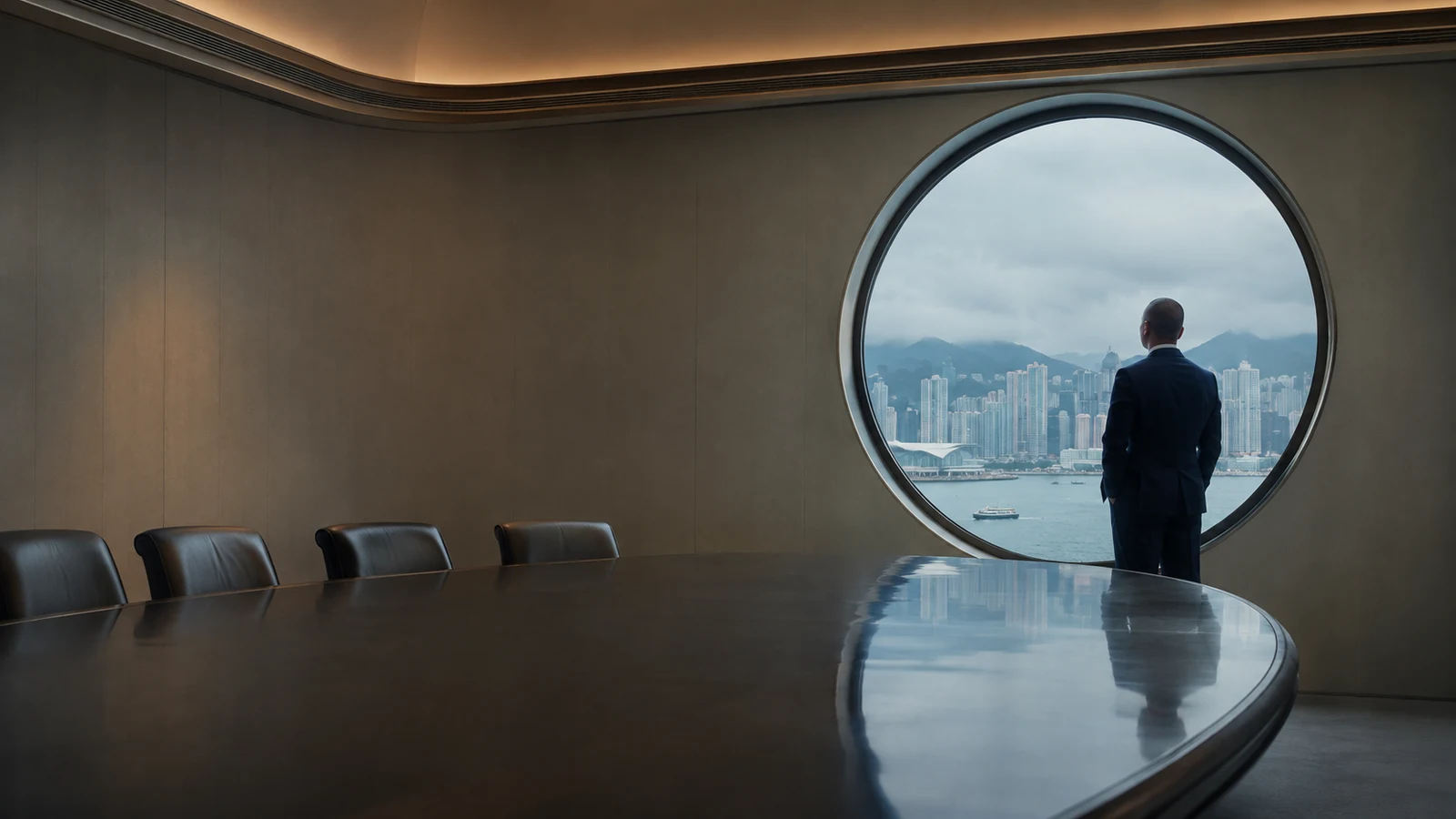
01
Begin with the person’s relationship to the place
Elton Chan speaks here through his connection to Causeway Bay. The client’s own publication links his local upbringing with continuity and change in the district. That gives the interview a clear starting point: a personal experience through which the audience can approach the development’s wider story.
The person’s timeline meets the place’s timeline. Images of the typhoon shelter, older streets and today’s crowds give different periods a visible setting. A professional title establishes who is speaking; the local memories explain why this particular person belongs in the film.
02
Keep the person present beyond the interview shot
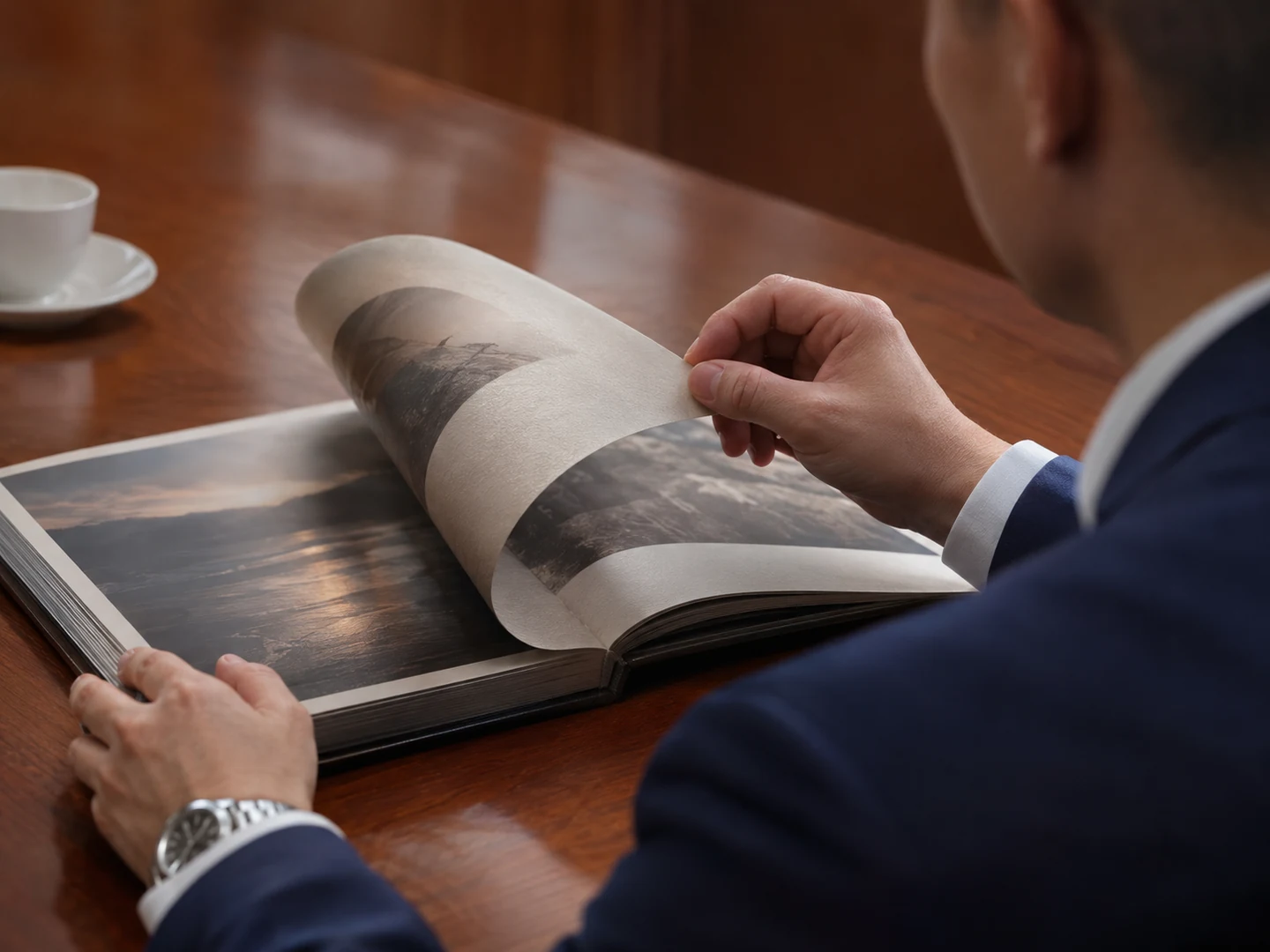
The film connects the figure beside a round window with the harbour outside, then introduces images of the typhoon shelter, streets and local life. Some compositions place the speaker alongside these views. Even as the setting changes, the images retain a connection to the person whose account we are following.
Reading, turning pages and drinking tea bring us closer. A table, a book, hand movements and a silhouette by the window give the interview details to rest on. The later return to present-day streets and harbour views reconnects those personal moments with the location of the development.
03
Find the material the interview can genuinely support
When preparing a place-brand or corporate interview, establish the speaker’s real relationship to the subject before writing questions. Which locations feature in their memories? Which experiences can they describe clearly, and which are appropriate to share? Specific answers make it possible to plan relevant settings and supporting shots.
The supporting material also needs clear provenance. Older photographs, historical imagery and reconstructed scenes each require checks on source, rights and use; an image that looks old is not automatically an authentic archive record. Alongside the interview, allow time for the person to interact with the setting. That gives the edit material which describes both the speaker and the place being discussed.
Max Fleming | The Vision for One Causeway Bay
Max Fleming walks through the exhibition space before the camera turns to a model of the former Excelsior Hotel site. With the office development still under construction, the interview uses the old landmark and the model to explain what is planned for Causeway Bay.
Discuss a project like this ↗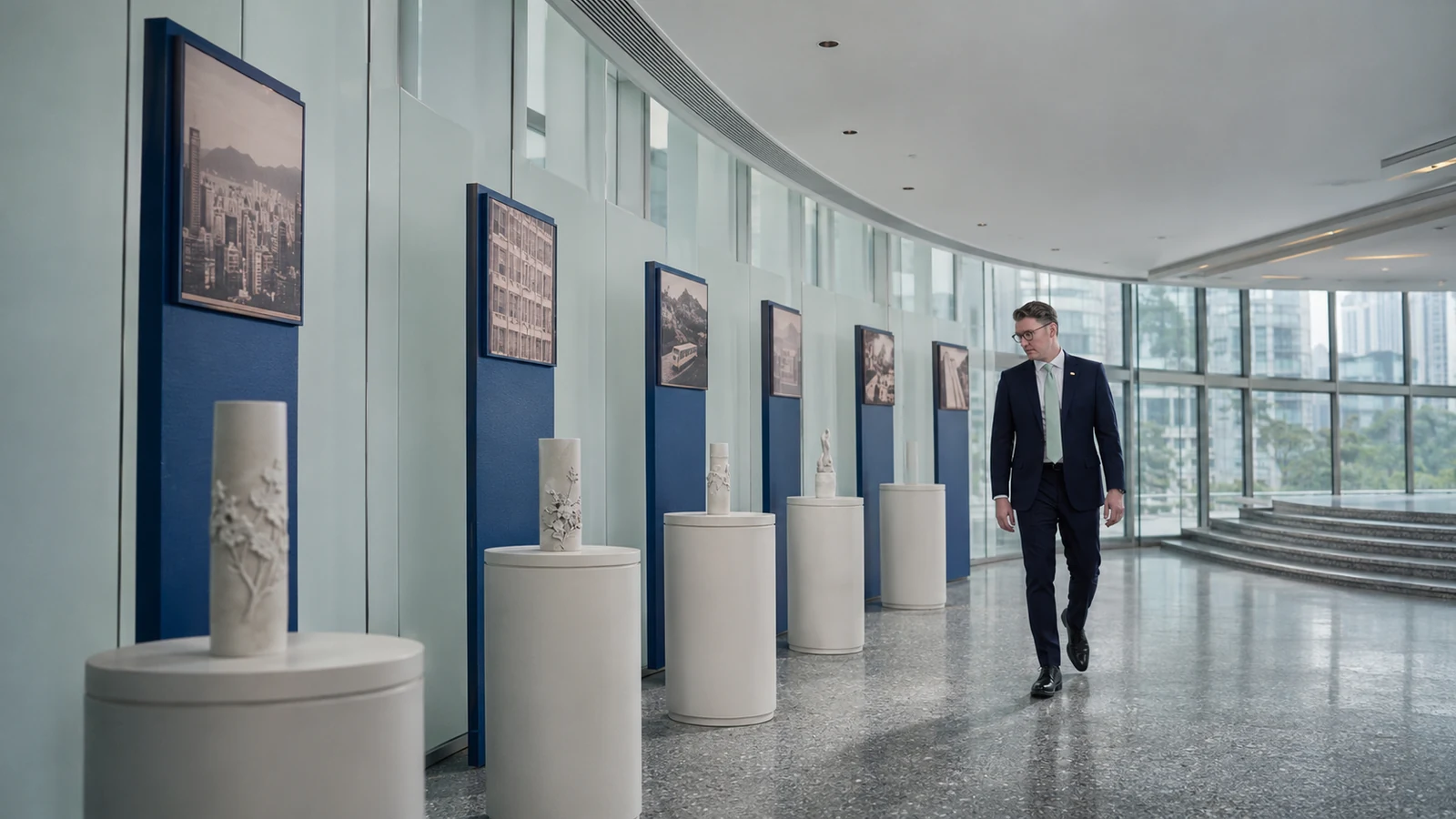
01
Give the development a clear voice within the series
A site formerly occupied by The Excelsior is presented as a new place to work. Max Fleming’s film explains that direction. The client’s published introduction connects the hotel brand’s emphasis on quality, wellbeing and detail with the office development’s ambitions. Those are statements of intended positioning, providing the context for this episode.
Personal memories, restaurants and street life all have a place in the series, but the audience also needs to understand their connection to the development. This interview offers a focused introduction to the site’s past and the direction being proposed. Giving one film this role allows the other episodes to explore their own subjects in greater detail.
02
Connect the introduction to models and human activity
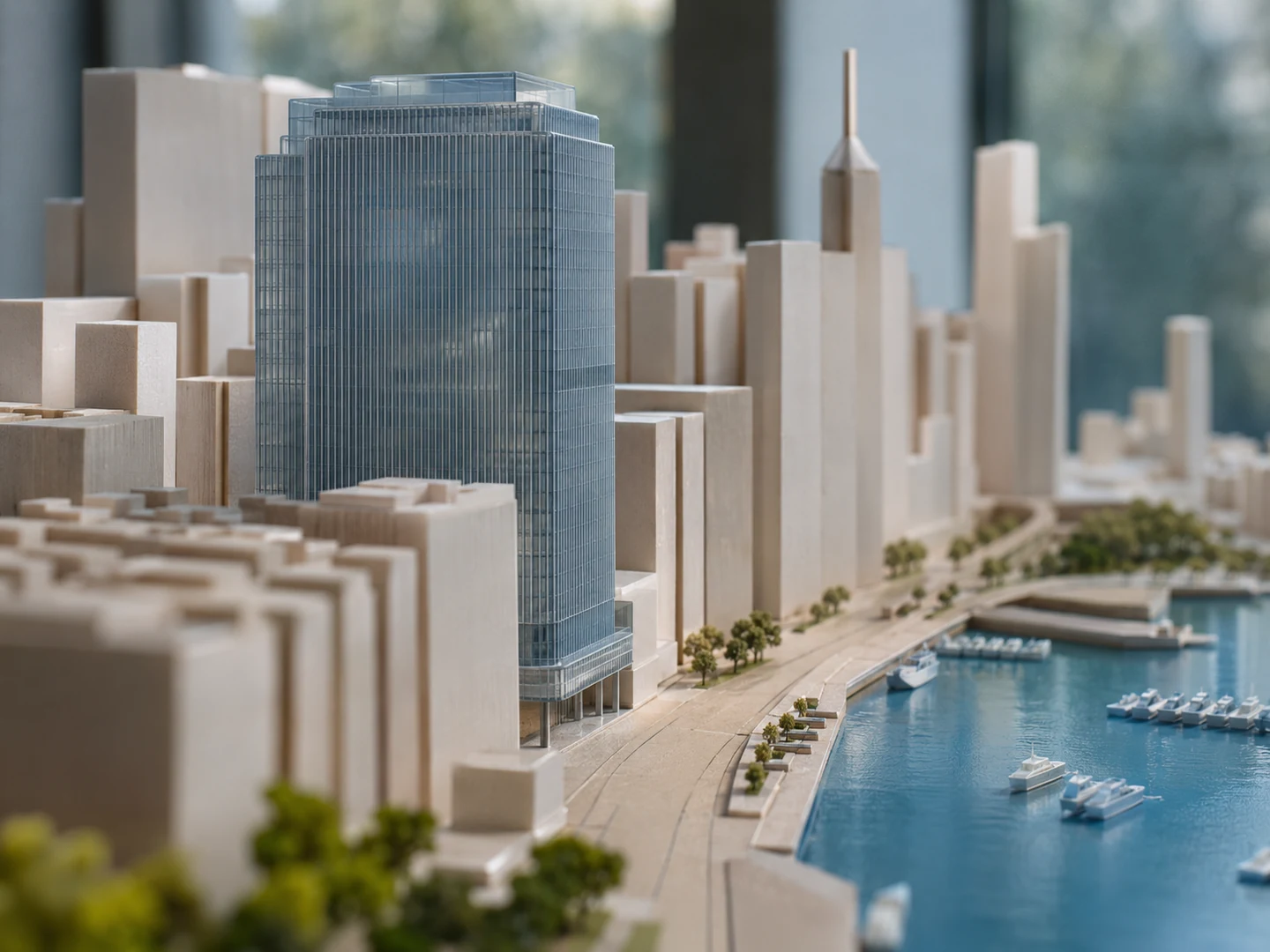
Streets, trams and historical views of The Excelsior lead into the figure at the window. Max’s introduction is intercut with a display space and architectural models, followed by views of the project and its name. The sequence moves from an established location to the building being introduced. The models provide a three-dimensional reference and place the development within its surroundings.
Later, the window-side interview appears alongside an exercising figure, connecting the workplace proposition with human activity. Rather than listing floor areas and facilities, the short maintains a single line of explanation. The speaker, architectural material and lifestyle image each carry a different part of that explanation.
03
Separate the vision, the design material and the available space
For a leadership interview about a developing property, establish during pre-production which images can support each statement. Models, design visuals, location footage and lifestyle scenes provide different kinds of information. Arrange them so viewers can understand whether they are seeing the project’s direction, its design or an environment available at the time.
A short interview also calls for a focused question. Select the proposition that most needs explaining, then check the wording, the version of the supporting material and the approved brand language. Detailed specifications can sit elsewhere. This helps the speaker’s introduction correspond with the images and gives each film in the series a clear purpose.
START A CONVERSATION
Have a project in mind?
Tell us what you want to communicate, where the film will be used and your timeline. We can discuss the production scope and prepare a quotation.
Discuss a project like this ↗